The Evolution of Indian Art as an Identity

Introduction
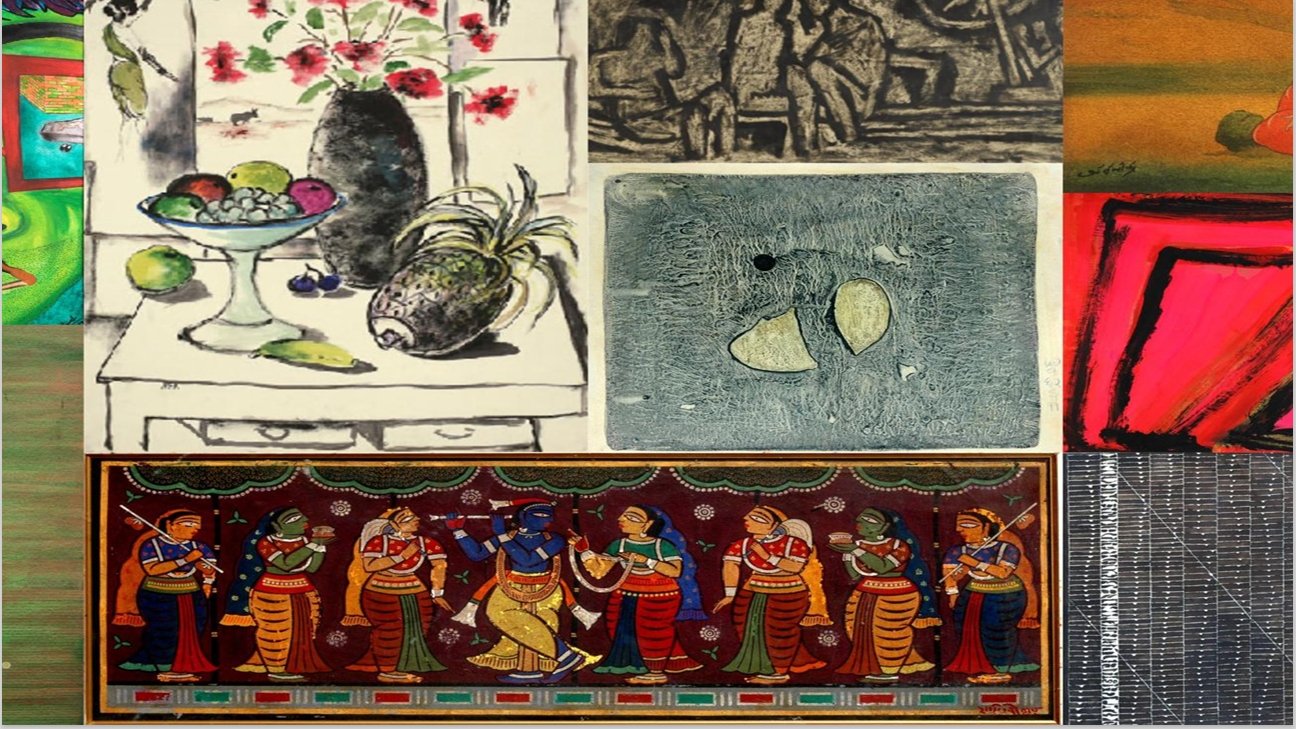
The story of modern Indian art is one of cultural awakening, artistic innovation, and the search for a distinct national identity. From the nationalist ideals of the Bengal School to the bold modernism of the Progressive Artists’ Group and the experimental vision of the Baroda Group, these influential movements collectively transformed the course of Indian art. Together, they laid the foundation for a vibrant artistic legacy that continues to shape contemporary Indian visual culture.
Historical Context
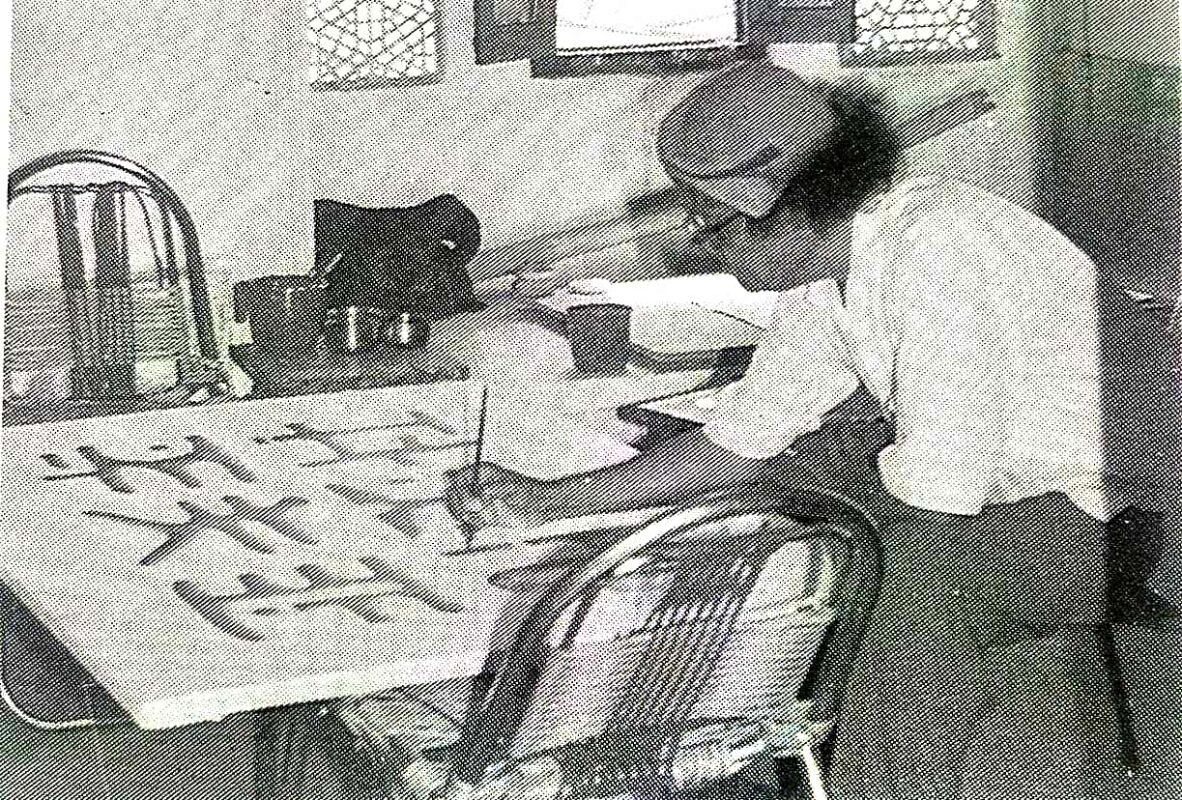
During the early twentieth century, as India remained under British colonial rule, artists began seeking an artistic language that reflected the country’s own cultural heritage rather than European academic traditions. This aspiration gave rise to the Bengal School of Art, led by visionaries including Abanindranath Tagore, Nandalal Bose, and Rabindranath Tagore. Their work marked the beginning of an artistic renaissance that celebrated indigenous techniques, spiritual themes, and India’s cultural identity.
Evolution of Artistic Expression
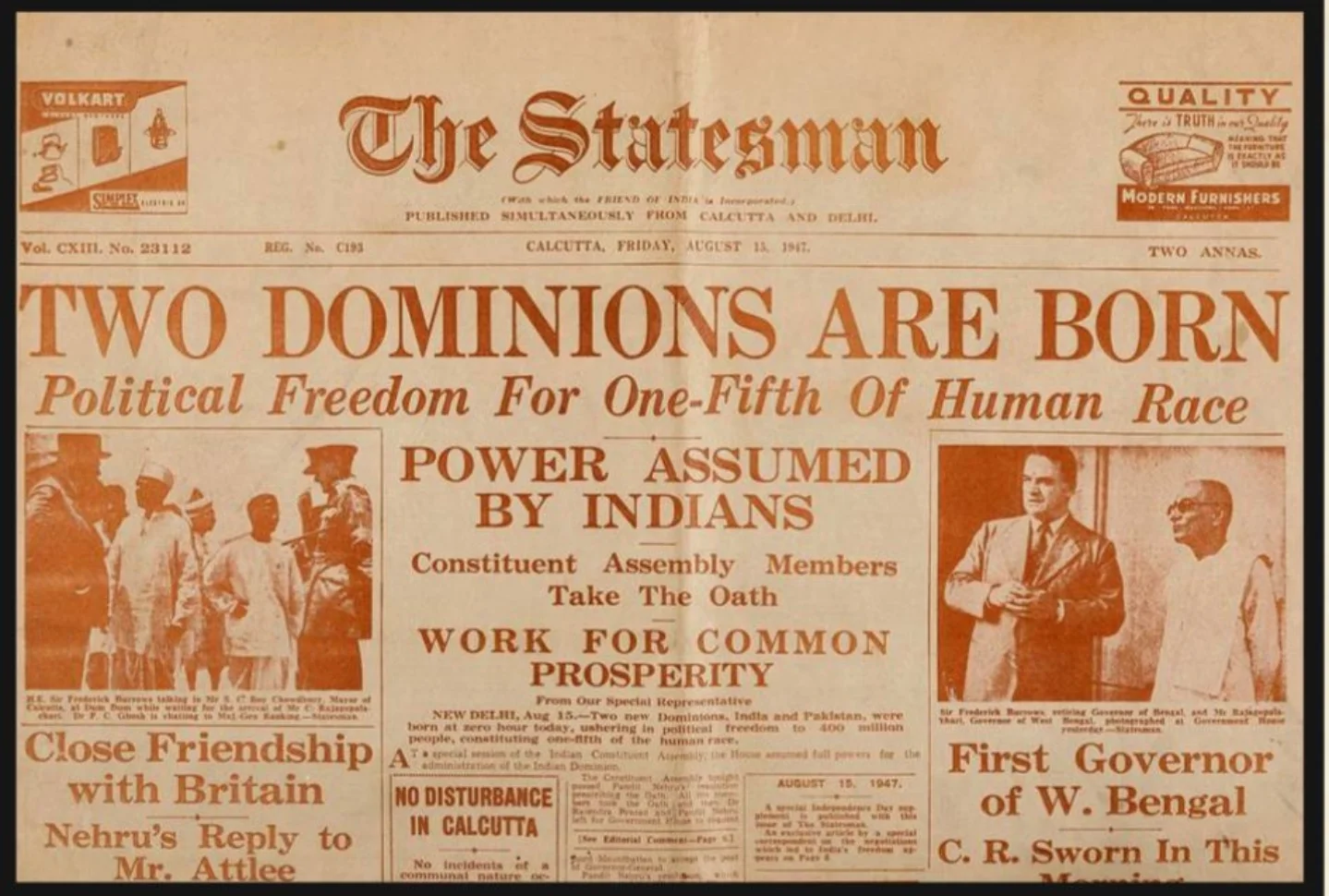
Following India’s independence, a new generation of artists embraced international modernism while remaining deeply connected to Indian themes. The establishment of the Progressive Artists’ Group (PAG) in Bombay by F. N. Souza, S. H. Raza, M. F. Husain, K. H. Ara, H. A. Gade, and S. K. Bakre ushered in a bold era of abstraction, realism, and avant-garde experimentation. Soon after, the Baroda Group, founded at the Faculty of Fine Arts, Maharaja Sayajirao University, Vadodara, further expanded the boundaries of Indian contemporary art through influences drawn from Cubism, Bauhaus, Pop Art, and Western Modernism.
Artistic Significance
Although distinct in philosophy and visual language, the Bengal School, Progressive Artists’ Group, and Baroda Group shared a common ambition—to redefine Indian art for a changing nation. Their pioneering approaches blended indigenous traditions with global artistic movements, creating works that reflected India’s evolving cultural, political, and social identity. These movements collectively established the foundations of modern Indian art and influenced generations of artists who followed..
Legacy
Today, the masterpieces created by artists associated with these landmark movements remain among the most celebrated works in Indian art history. Their paintings are housed in leading museums, prestigious private collections, and major international auctions, continuing to inspire scholars, collectors, and contemporary artists alike. Together, they represent the remarkable evolution of Indian art from colonial resistance to global recognition, affirming their enduring place in the nation’s artistic heritage.