The Evolution & History of Hand-Painted Film Poster Paintings

Introduction
Long before digital marketing transformed cinema, hand-painted film posters were the visual ambassadors of Indian cinema. Combining dramatic composition, expressive portraiture, and vibrant typography, these monumental artworks introduced audiences to the stories unfolding on screen. Today, they stand as rare cultural artefacts that preserve the artistic imagination and cinematic history of twentieth-century India.
Historical Context
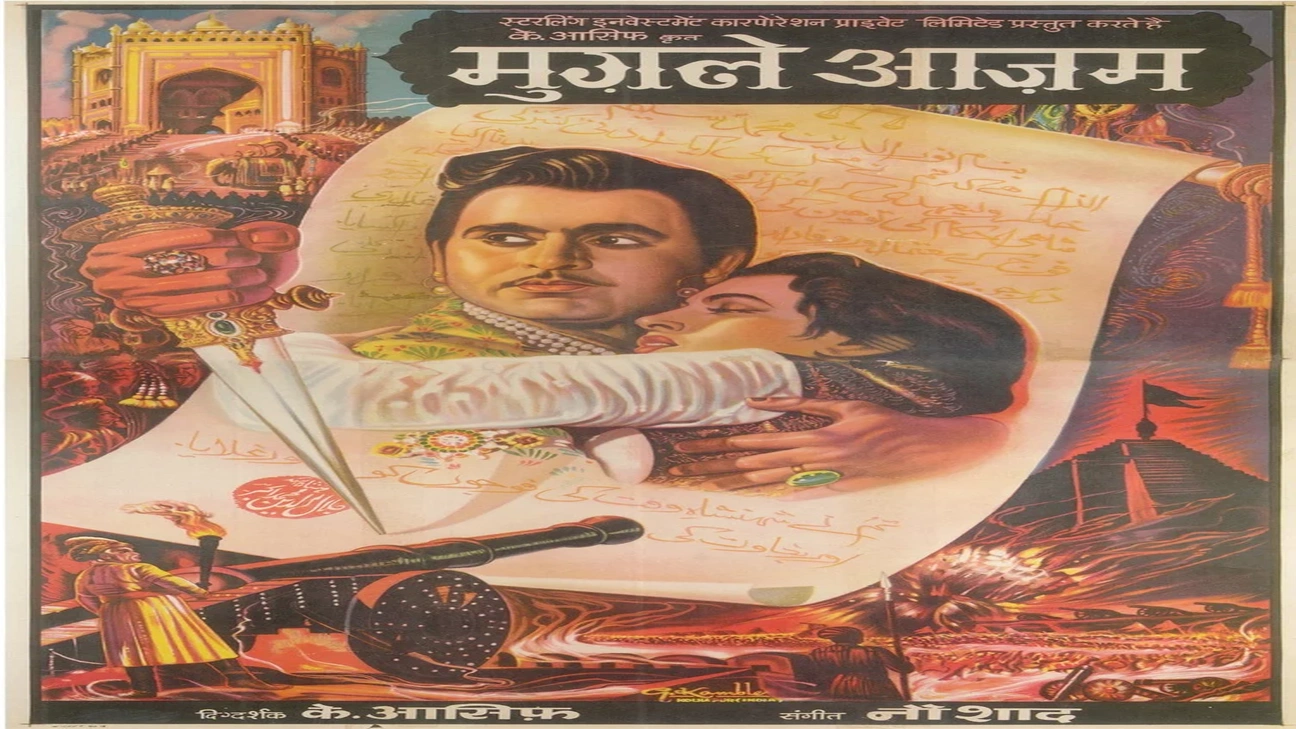
The rise of India’s film industry during the mid-twentieth century gave birth to a unique tradition of hand-painted poster art. In an era without digital media, artists created large-scale oil-on-canvas posters that adorned cinema halls and public spaces, becoming the primary medium for promoting films. Rich in colour, symbolism, and multilingual lettering, these posters were designed to captivate audiences and communicate the essence of a film through a single compelling image.
Artistic Style
Hand-painted film posters are celebrated for their bold compositions, vivid colour palettes, dramatic lighting, and expressive realism. Heroic protagonists, emotional narratives, and striking typography dominate the visual language, while influences from Indian mythology, traditional painting, and European academic realism merge into a distinctly Indian aesthetic. Painted primarily in oil on canvas, each poster was individually crafted, making every work a unique piece of cinematic art.
Masters of the Medium
Among the pioneers of this art form, Brijmohan Gupta, popularly known as “Devdas,” remains one of the most celebrated poster artists in Indian cinema. Over a career spanning more than five decades, he created iconic posters for landmark films including Mother India, Pakeezah, and Kajal. His works helped define the visual identity of Indian cinema and continue to be recognised as masterpieces of commercial art. In 2017, a selection of his hand-painted posters was exhibited at the National Museum of Indian Cinema in Mumbai, reaffirming their importance within India’s cultural heritage.
Historical Importance
Beyond their role as promotional material, hand-painted film posters document the evolving social, cultural, and artistic identity of India. From the earliest surviving poster for the 1924 Marathi film Kalyan Khajina to later cinematic classics, these artworks mirror changing artistic influences, political narratives, and public aspirations. Their survival today provides invaluable insight into an era when cinema and painting came together to shape popular culture.
Legacy
Today, original hand-painted film posters are regarded as highly collectible works of art, admired by museums, collectors, and cinema enthusiasts worldwide. Their rarity, exceptional craftsmanship, and historical significance have transformed them from advertising materials into treasured cultural artefacts. As enduring symbols of India’s cinematic and artistic heritage, they continue to celebrate the creativity of the artists who brought the magic of the silver screen to life through paint and canvas.