A Painted Angel from the Dawn of Indian Cinema
A Forgotten Chapter in Indian Cinema
Some films survive through fame, while others survive only through memory and fragments. Painted Angel (1931) belongs to the latter—a rare cinematic relic from the earliest years of Indian filmmaking. Produced during a period when Indian cinema itself was discovering its identity, the film survives today as an important reminder of a forgotten chapter in the nation's cultural history.
The Story Behind Painted Angel
Produced by the renowned Ranjit Film Company and directed by Nandlal Jaswantlal, Painted Angel emerged during one of the most transformative years in Indian cinema. Released in 1931, the same year India entered the sound era, the film represents an important milestone in the evolution of cinematic storytelling. Although much of the production has been lost over time, its surviving references continue to preserve its historical importance.

The Vision of Nandlal Jaswantlal
Nandlal Jaswantlal began his filmmaking journey during the silent era, learning under legendary filmmaker Chandulal Shah at Ranjit Film Company. Over the following decades, he directed celebrated classics including Anarkali (1953) and Nagin (1954). Looking back, Painted Angel represents one of the earliest creative milestones in the remarkable career of a filmmaker who would later shape Indian cinema.
Preserving India's Film Heritage
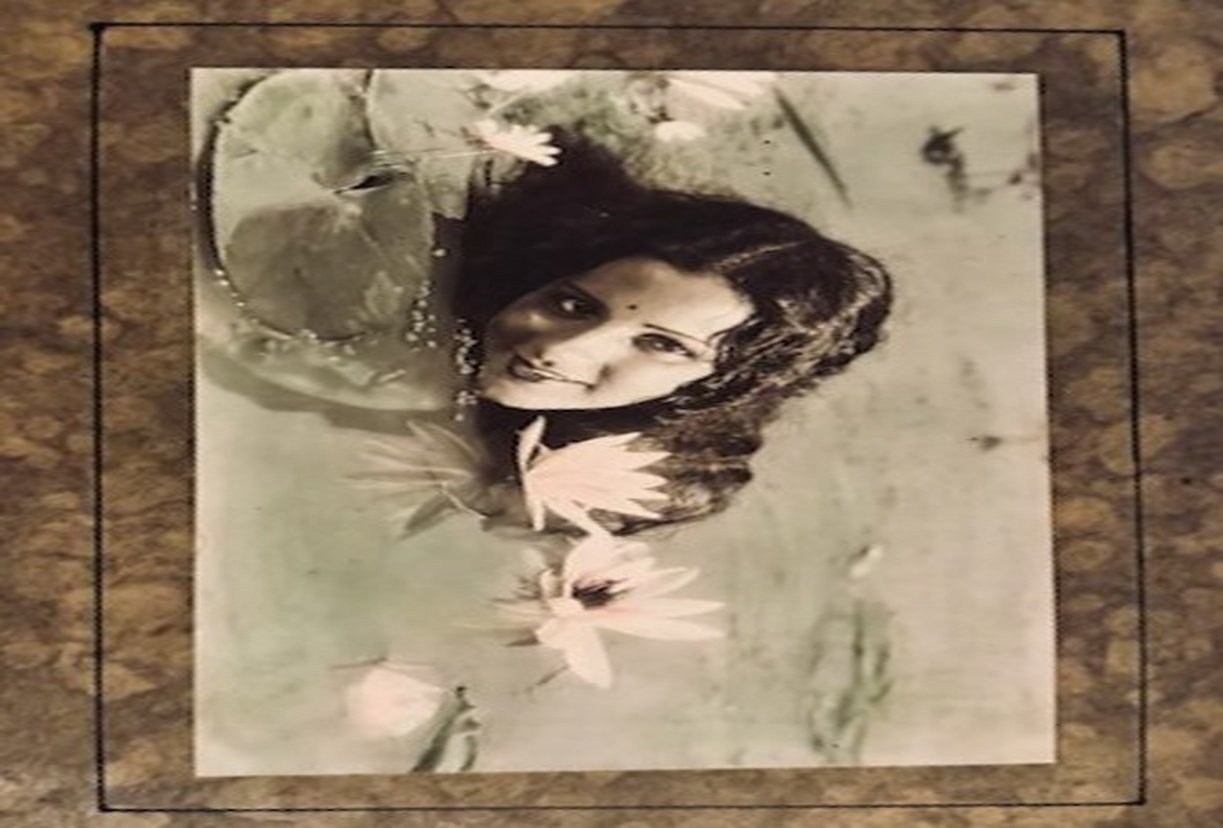
The scarcity of information surrounding Painted Angel highlights the importance of preserving India's cinematic history. Many early films were never properly archived, leaving behind only studio records, photographs, newspaper mentions, and rare film stills. These surviving fragments have become invaluable historical documents that allow future generations to understand the origins of Indian filmmaking.
Legacy
Although Painted Angel may never be recovered in its entirety, its documented existence ensures that it remains an important part of India's cultural memory. Every surviving still honours the pioneers of Indian cinema and reminds us that preserving even the smallest fragments of film history helps protect an extraordinary artistic legacy for future generations.