The Cultural Legacy of Vintage Advertisements
A Window into India's Changing Society
Vintage advertisements are far more than commercial prints—they are visual records of a changing society. From Air India's iconic Maharaja to Murphy's beloved Munna, these advertisements reflected cultural aspirations, artistic trends, and the evolving identity of modern India. Rather than simply selling products, they helped shape public imagination and documented an era of transformation.
Advertising as Cultural Expression
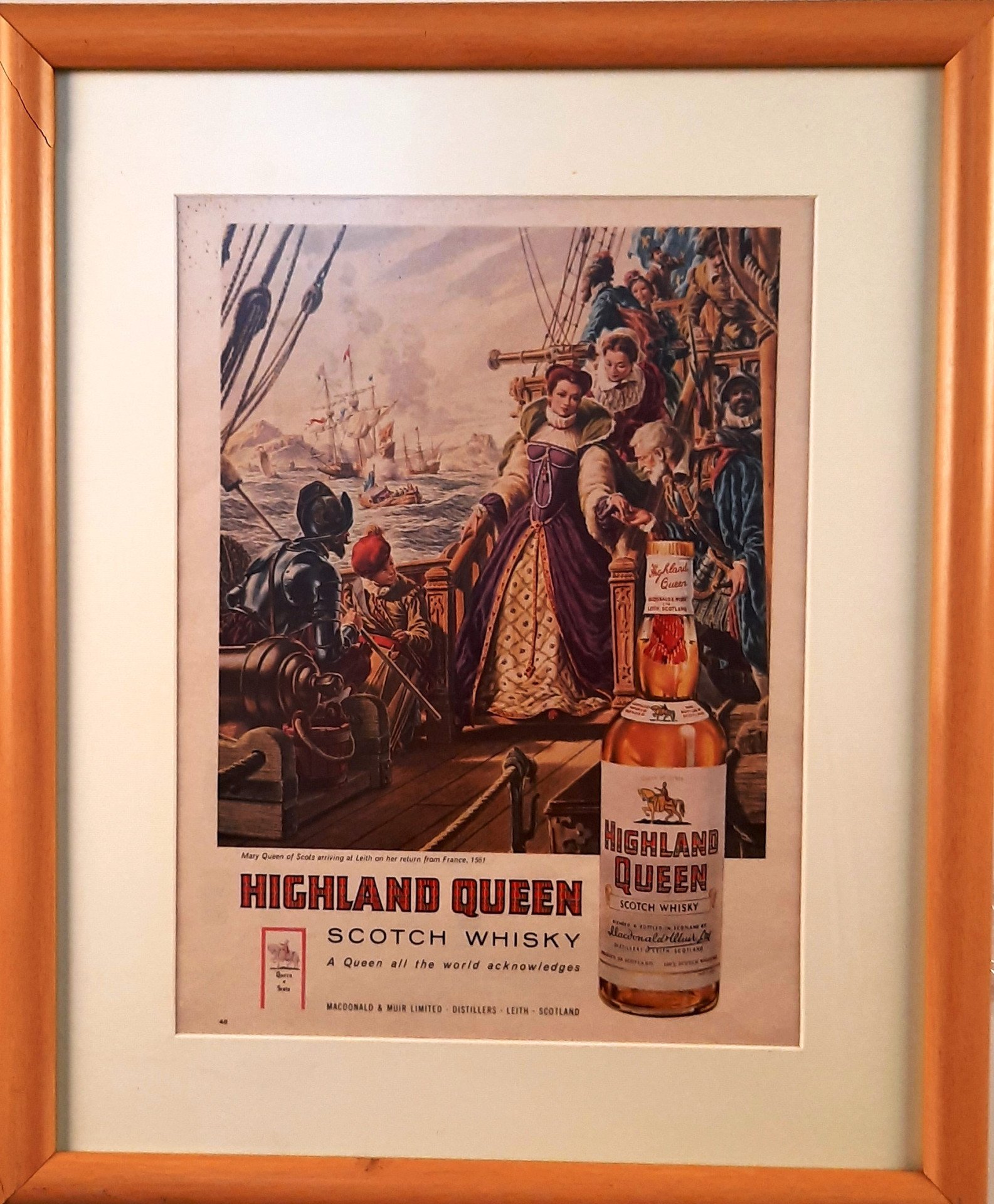
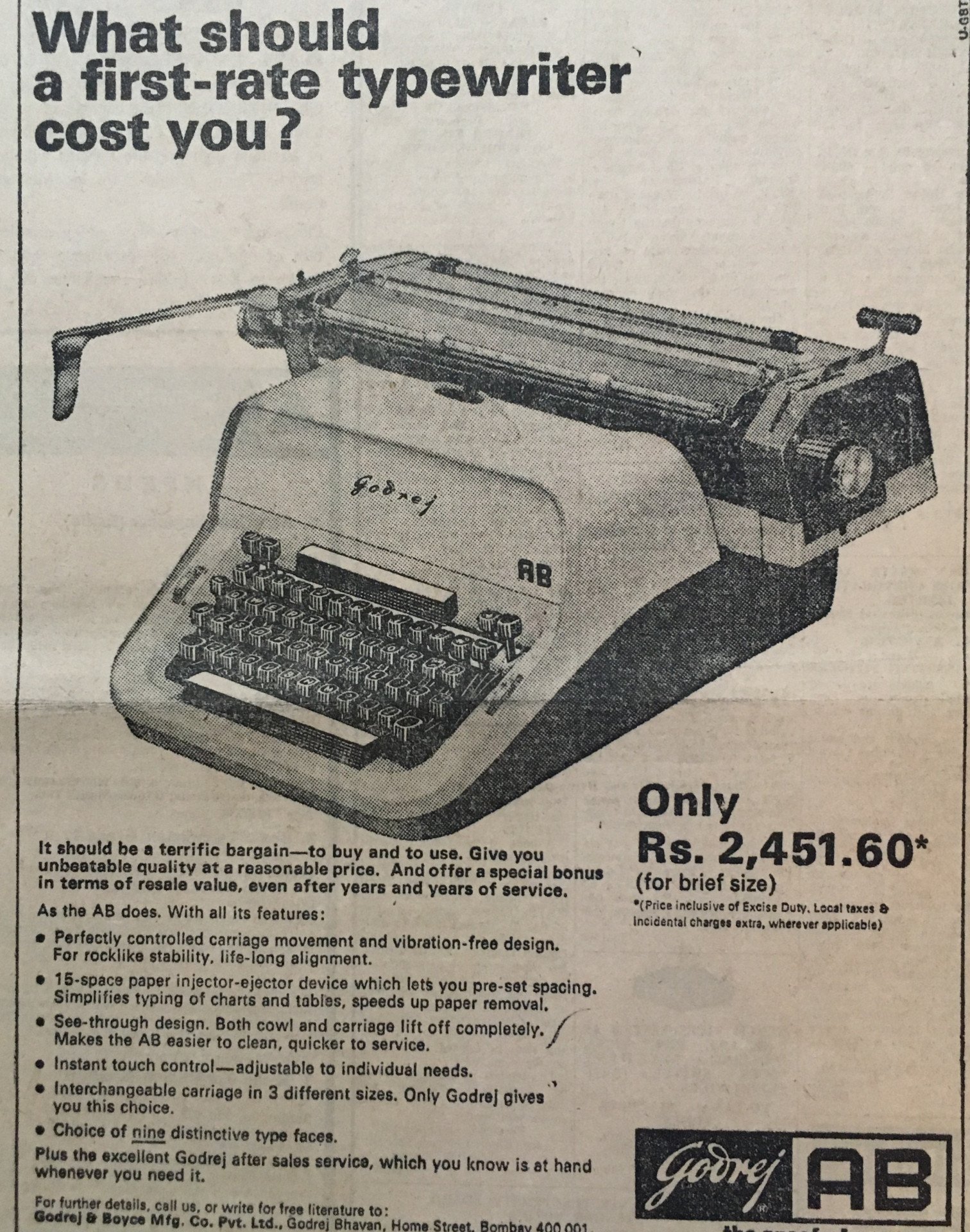
Beginning with hand-drawn illustrations, Indian advertising gradually evolved into a sophisticated visual art form. Advertisements commissioned portraits of film stars, Hindu deities, and everyday families, blending commercial appeal with artistic creativity. These images reflected the aspirations of a nation balancing tradition with modernity.
The Rise of the Modern Indian Consumer
During the 1940s and 1960s, advertisements increasingly influenced fashion, beauty, and lifestyle. Campaigns featuring actresses such as Leela Chitnis introduced new ideals of elegance, while colourful typography, Western-inspired fashion, and cinematic imagery reflected the optimism of a rapidly modernising India. Advertising became a powerful medium through which aspirations were communicated and shared.
Design, Typography & Visual Identity
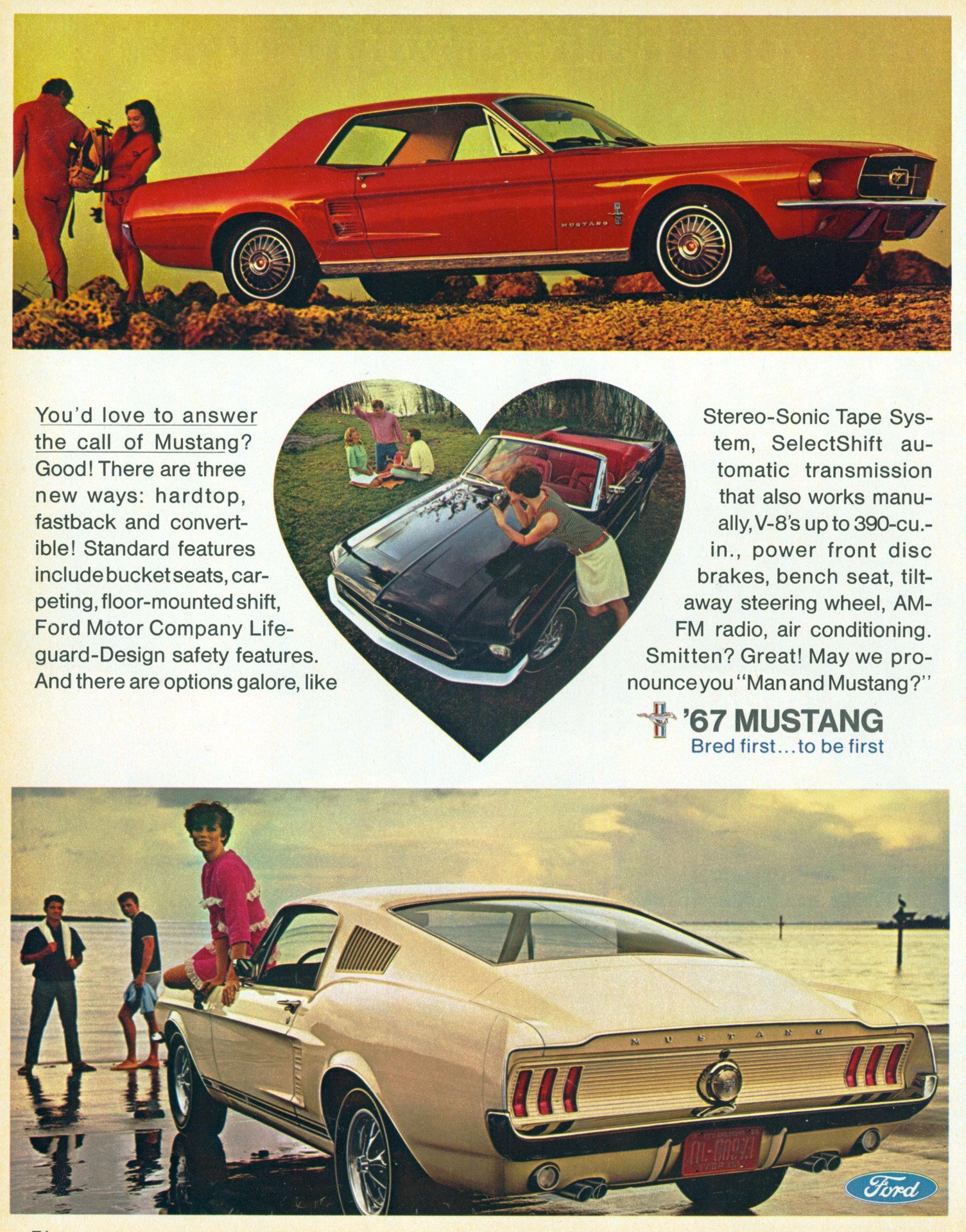
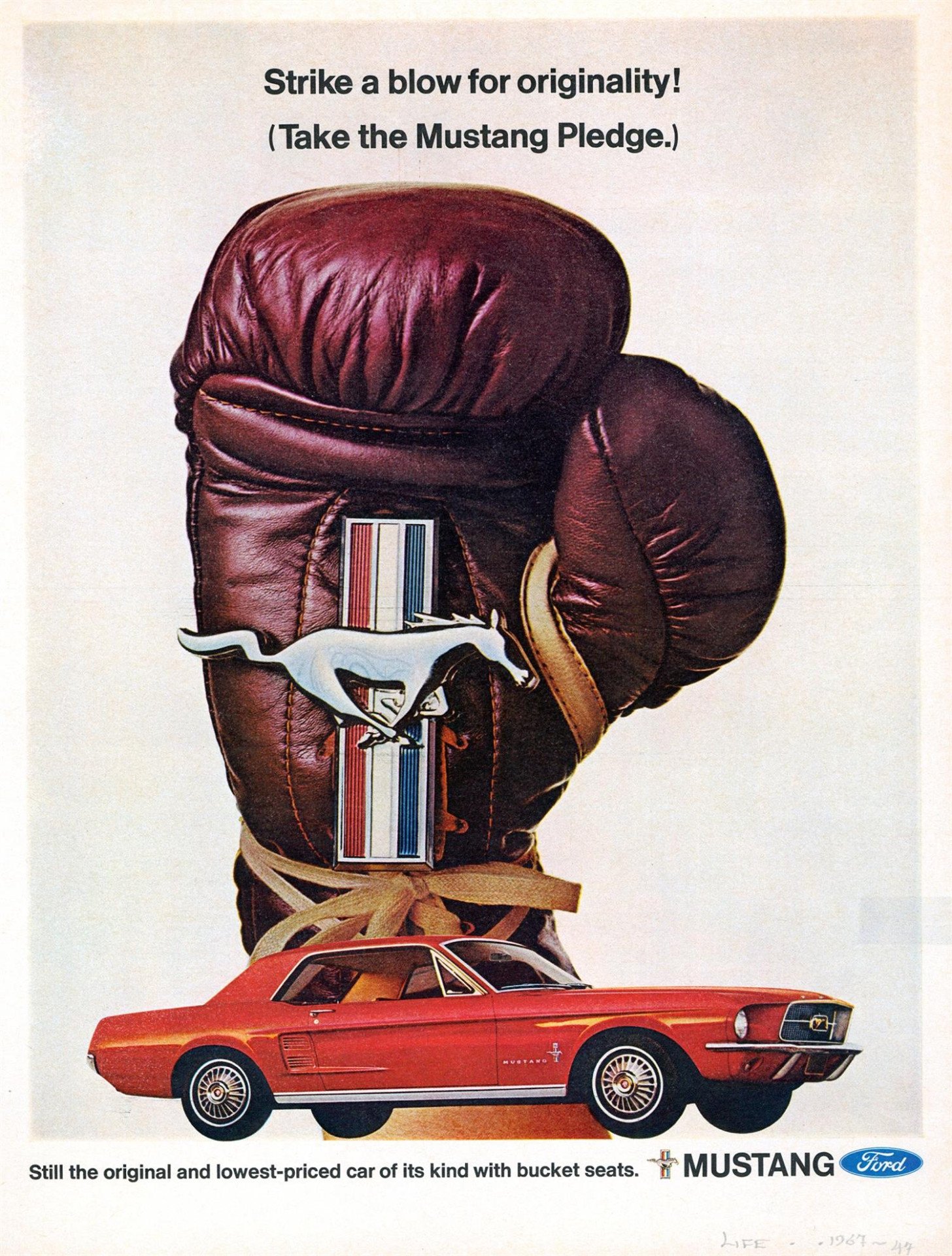
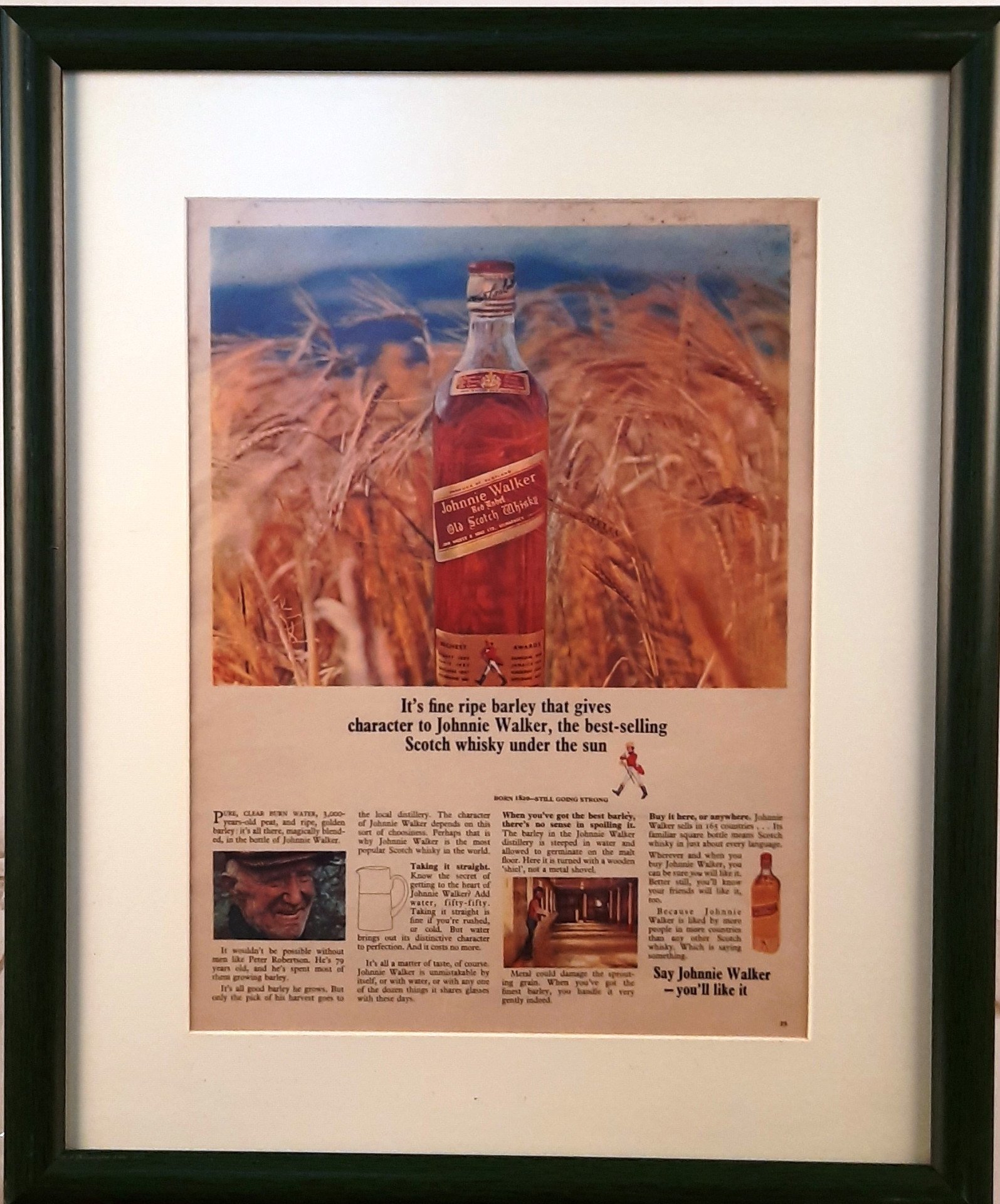
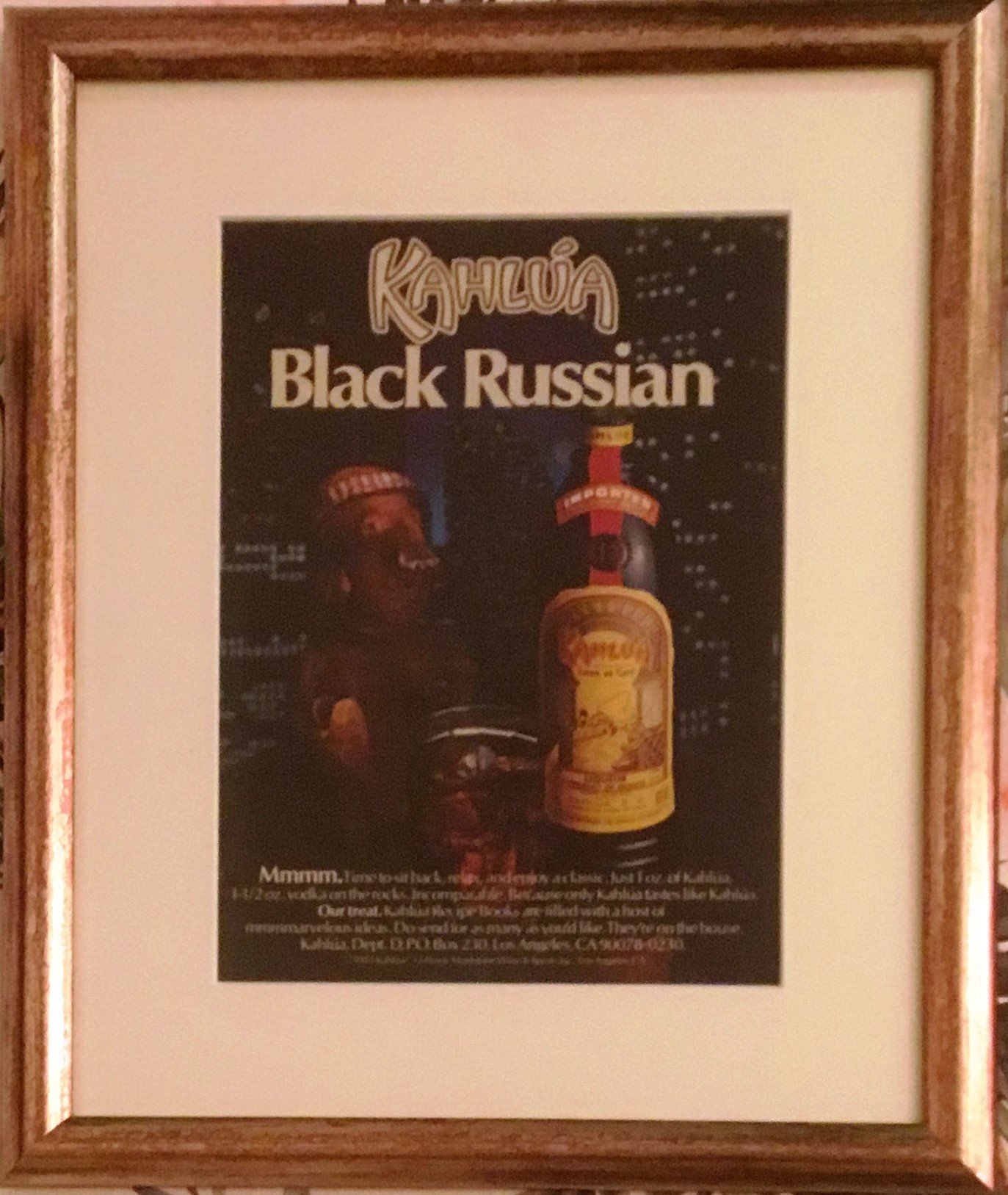
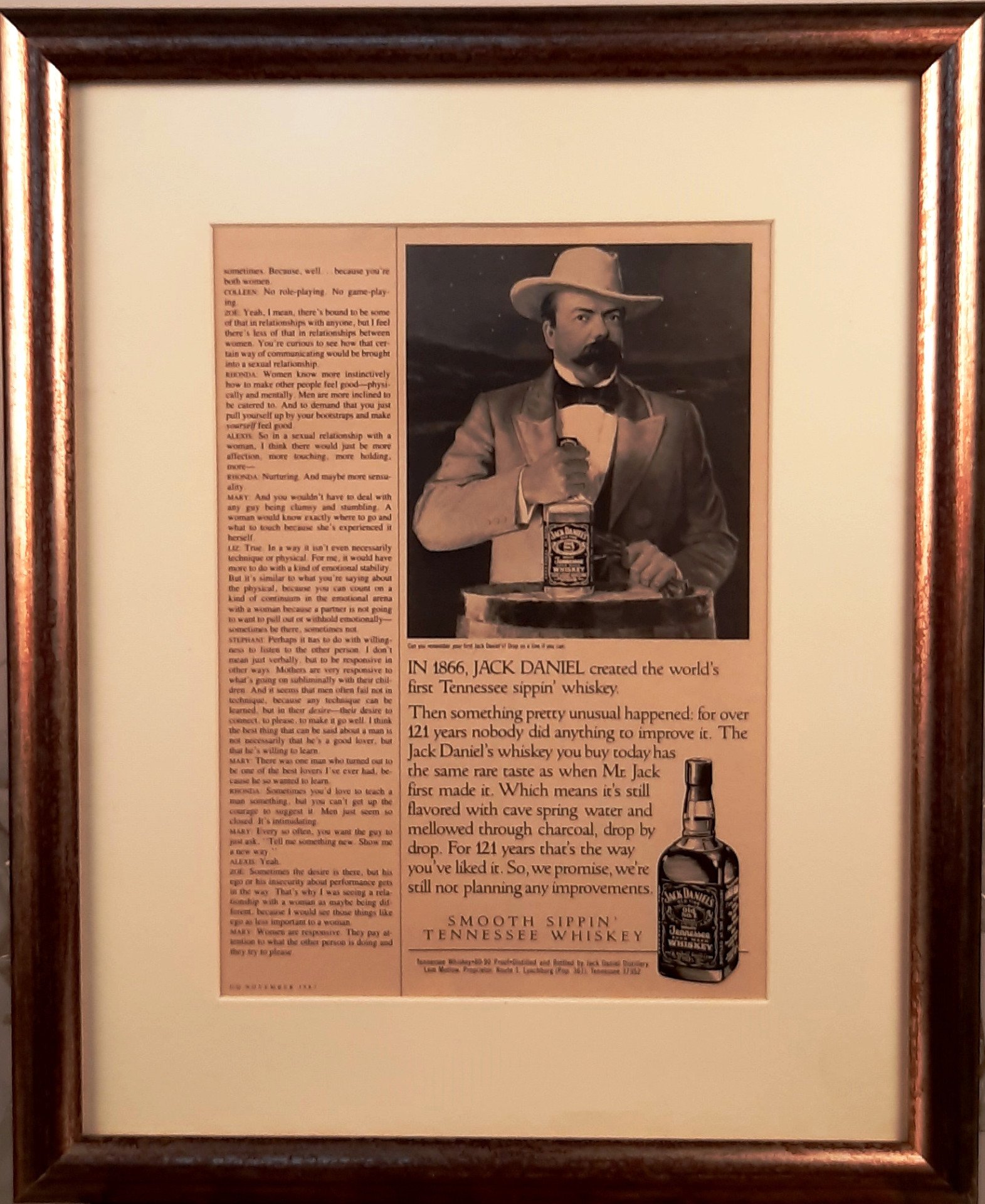
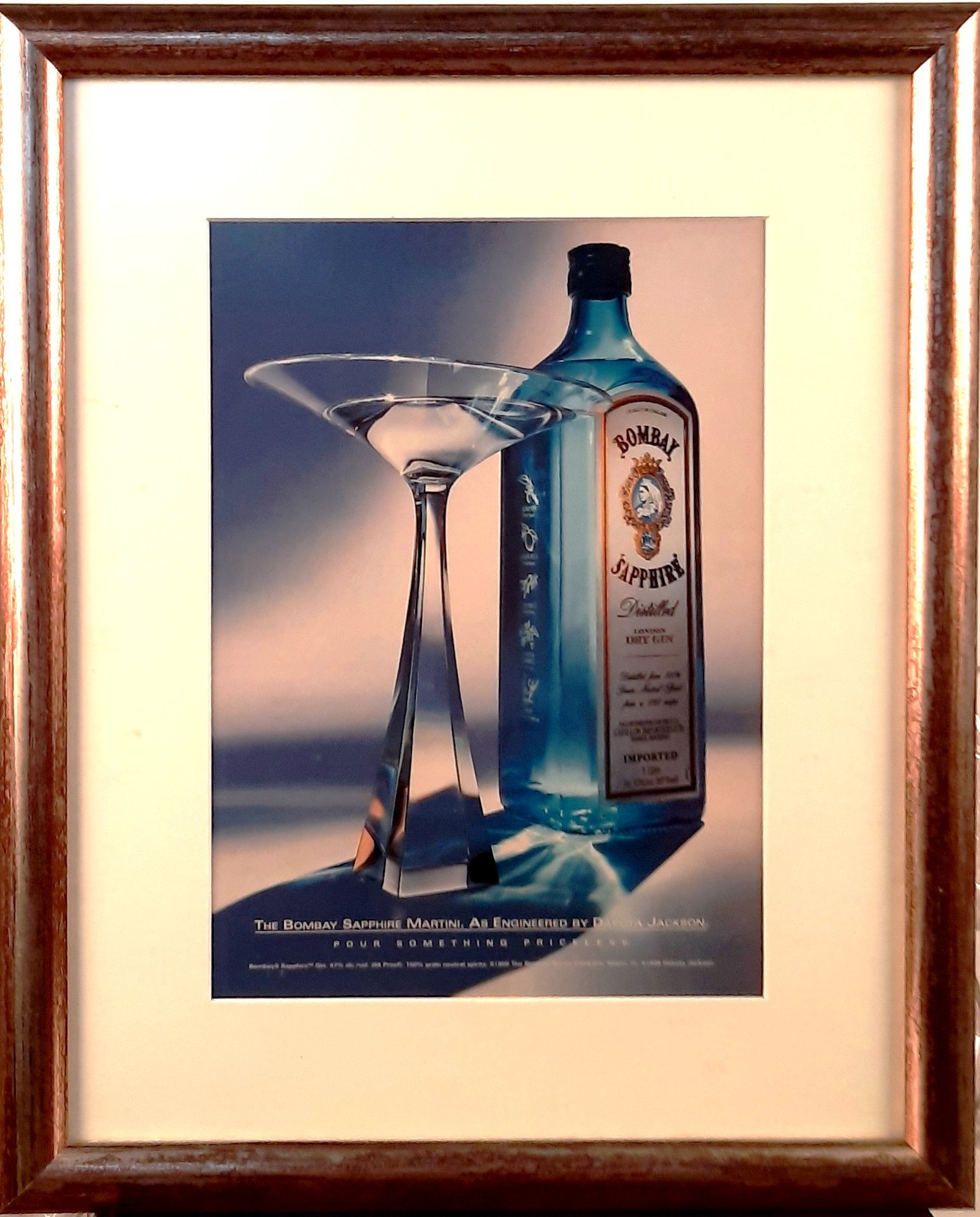
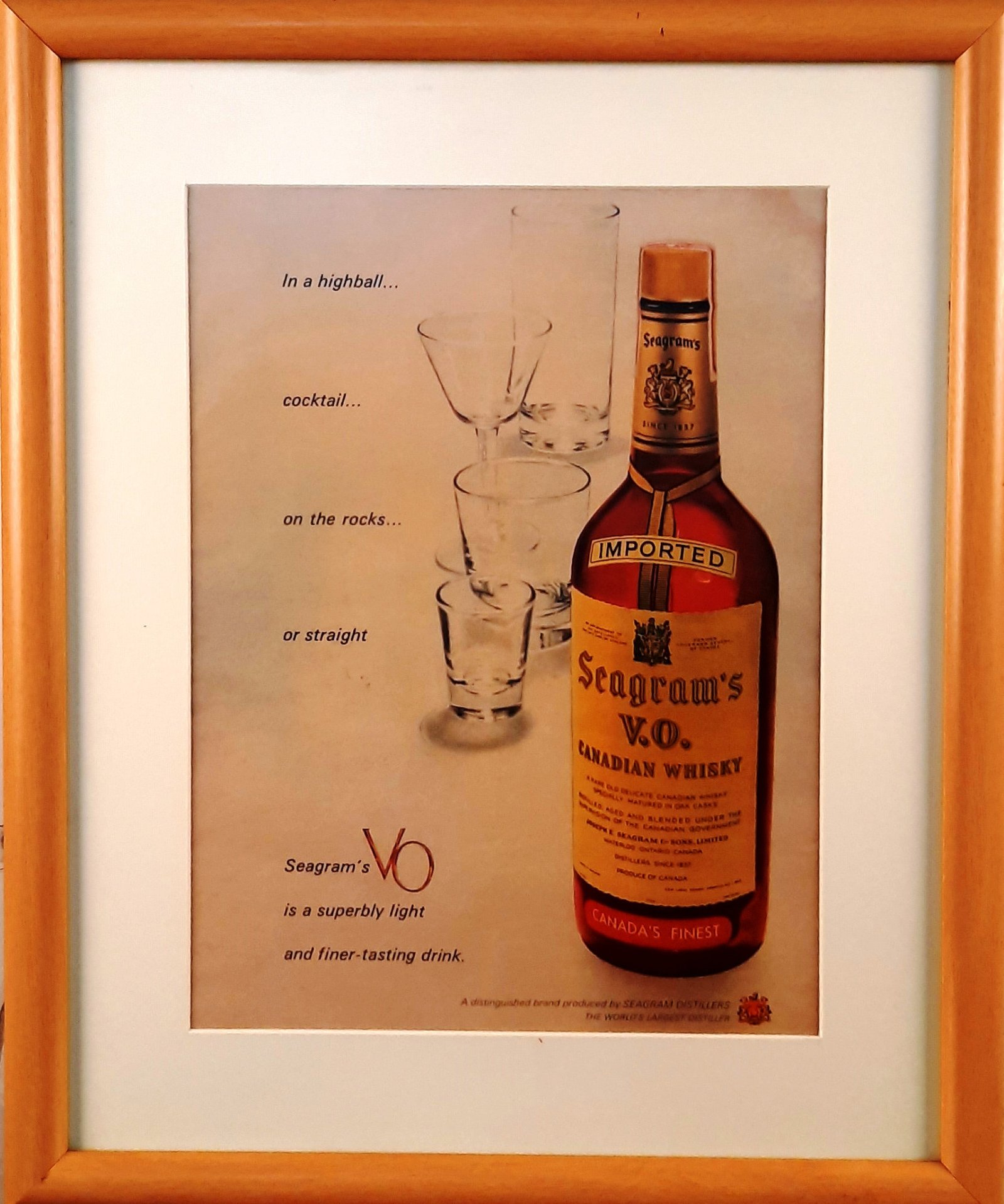
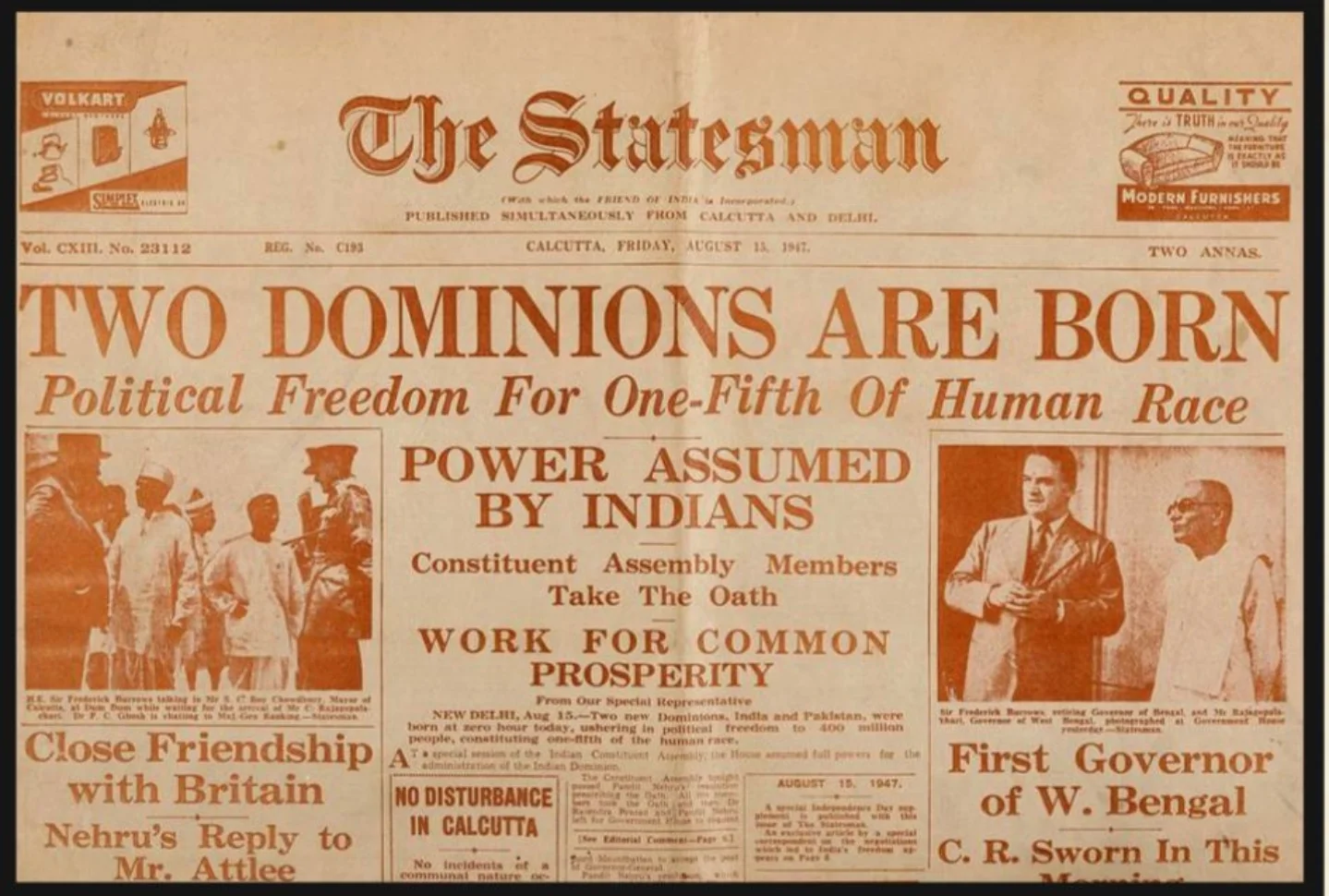
The visual language of vintage advertisements combined bold typography, expressive illustrations, vibrant colours, and carefully balanced layouts. Every design element worked together to capture attention while creating a memorable brand identity. Today these advertisements are admired not only for their marketing value but also for their outstanding graphic design and artistic craftsmanship.
Preserving Cultural Heritage
Today, vintage advertisements remain invaluable cultural artefacts. They document changing lifestyles, consumer behaviour, design movements, and the visual history of twentieth-century India. Preserving these printed works allows future generations to understand how advertising quietly shaped the nation's cultural identity while becoming an important form of visual art.
A Lasting Legacy
Vintage advertisements continue to inspire collectors, designers, historians, and museums around the world. Their artistic value extends far beyond commerce, preserving the colours, typography, aspirations, and cultural narratives of a remarkable period in India's history. As enduring pieces of visual heritage, they remind us that advertising was not only about selling products—it was also about shaping society itself.