Fine Art

Gond Art in the World of Contemporary Adivasi Art

Origins of Gond Art

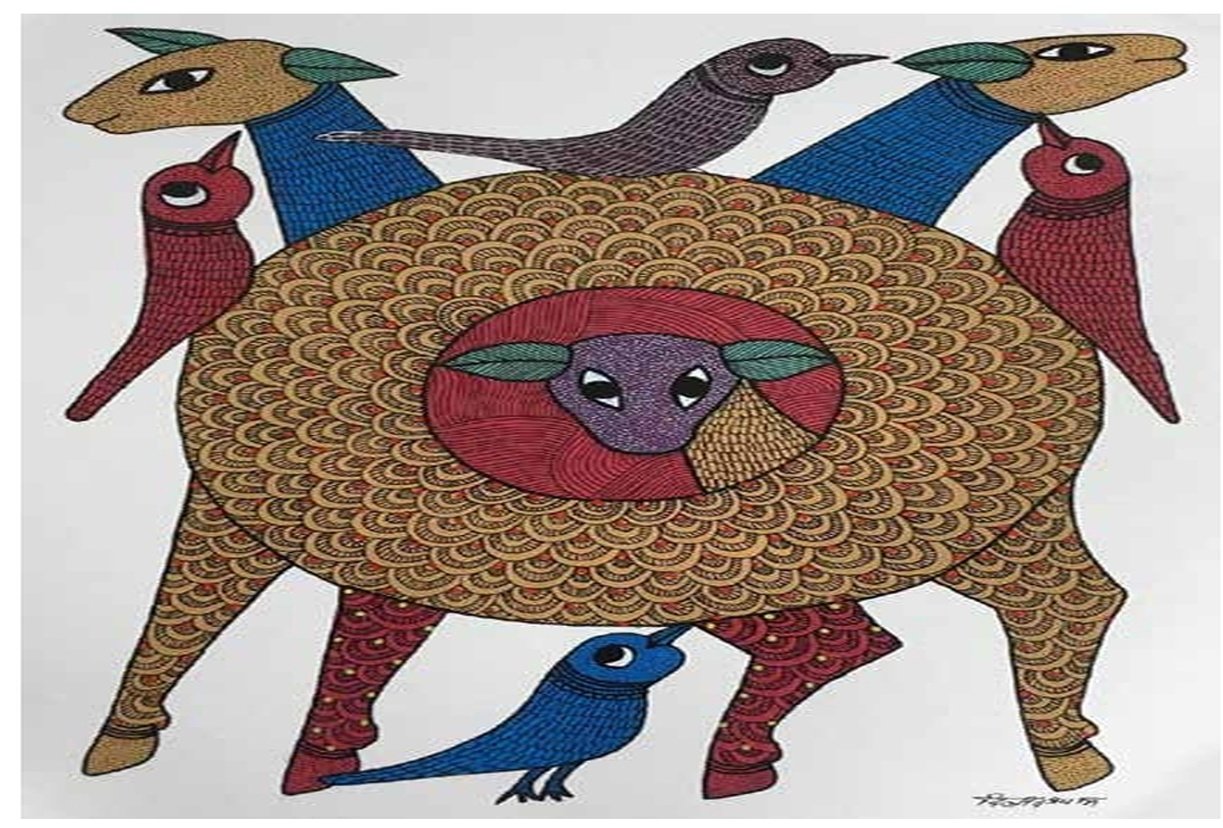
Gond Art is one of India's oldest living tribal art traditions, deeply rooted in the cultural practices of the Gond Pardhan community of Central India. Rich with vibrant colours, intricate patterns, and symbolic depictions of flora and fauna, the art form reflects a close relationship between nature, mythology, and everyday life. Once confined to the walls of village homes, Gond Art has evolved into a celebrated contemporary artistic expression while preserving its indigenous identity.

Jangarh Singh Shyam and the Revival of Gond Art

The modern recognition of Gond Art is inseparable from the pioneering work of Jangarh Singh Shyam. Discovered during J. Swaminathan's visit to Bhopal, Jangarh transformed traditional wall paintings into contemporary works on paper and canvas. His innovative visual language, later known as the Jangarh Kalam, introduced Gond Art to museums, collectors, and audiences across the world while remaining deeply connected to the stories and traditions of the Pardhan community.

Dilip Shyam's Contemporary Vision

Inspired by his uncle Jangarh Singh Shyam, contemporary artist Dilip Shyam developed a distinctive artistic language of his own. Drawing inspiration from traditional weaving patterns, wheat ears (gehu ki baali), and Dhigna wall motifs, he expanded Gond Art into new visual narratives without abandoning its cultural roots. His work demonstrates how tradition and innovation can coexist within contemporary tribal art.

Global Recognition and Legacy

Today, Gond Art occupies an important place within the international contemporary art landscape. Works by artists such as Jangarh Singh Shyam and Dilip Shyam are held in prestigious museums, galleries, and private collections worldwide, including the extensive collection of Conferro Heritae. Their contributions have ensured that Gond Art continues to inspire new generations while celebrating India's rich Adivasi heritage.

Leave a Reply

Your email address will not be published. Required fields are marked *